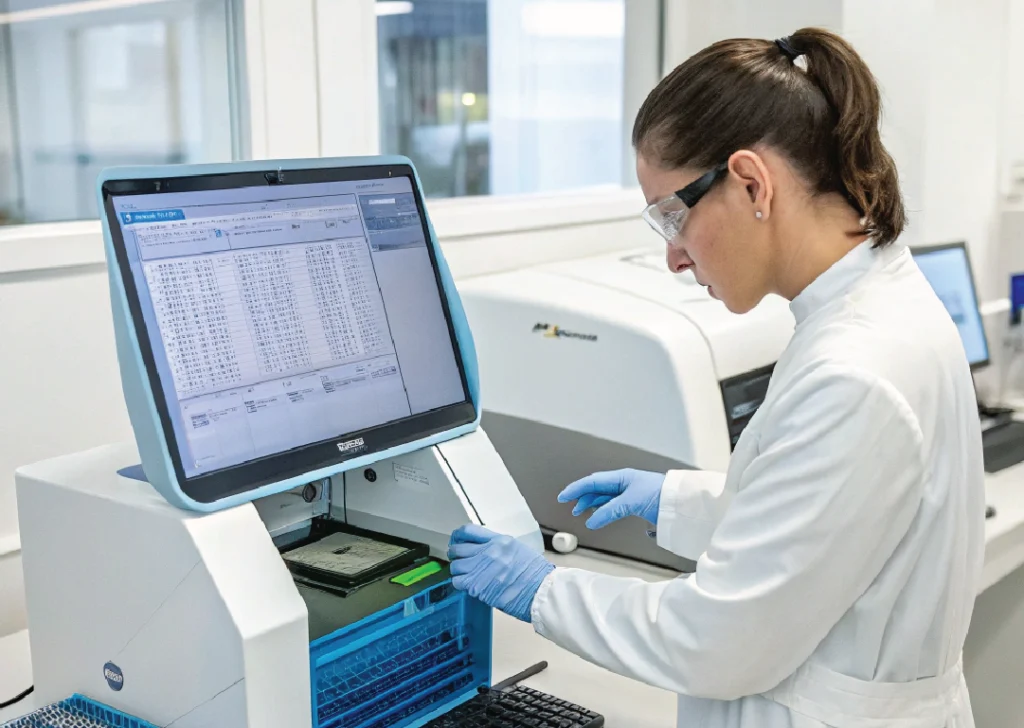
Chromosomal Microarray Analysis (CMA): Advanced Clinical Diagnostic Testing

Chromosomal microarray analysis (CMA) represents the cutting edge of genetic diagnostic technology, offering unprecedented insight into chromosomal variations across the entire genome. As a powerful diagnostic tool, CMA helps identify genetic causes of developmental disabilities and congenital anomalies with remarkable precision.
Collection Centers
0 +
Laboratories
0 +
Tests Done
100 +

Understanding Chromosomal Microarray Testing

Chromosomal microarray analysis, also known as CMA testing or array CGH, examines DNA segments throughout the genome to detect subtle genetic changes that may cause health or learning challenges. This advanced genetic test can identify variations in chromosome material that are too small to be seen with conventional chromosome analysis.

How CMA Works?

The test uses sophisticated array technology to analyze thousands of DNA segments simultaneously. By comparing a patient’s DNA with reference DNA, CMA can detect:

The Testing Process

Your CMA journey involves several carefully managed steps:
Initial Consultation
Our clinical genetics team reviews your medical history and discusses testing options based on your patient's clinical presentation.
Sample Collection
A small blood sample is collected for DNA extraction and analysis.
Laboratory Analysis
Using advanced microarray technology, we perform sophisticated genetic analysis that includes DNA hybridization, copy number variation analysis, and single nucleotide polymorphism array testing. This comprehensive genomic assessment allows us to examine the entire genome for subtle variations that might be missed by conventional testing methods.
Result Interpretation
Our experts carefully interpret results through a thorough evaluation process that considers the size and gene content of variations, published clinical data, potential clinical significance, and whether genetic changes are de novo or inherited. This detailed analysis ensures you receive the most accurate and meaningful interpretation of your test results.

Clinical Applications

CMA testing plays an important role in diagnosing various conditions. Our clinical diagnostic services are particularly valuable for:
Pediatric Assessment

Comprehensive evaluation for children with:

  • Developmental delay
  • Intellectual disability
  • Autism spectrum disorder
  • Multiple congenital anomalies
  • Unexplained developmental challenges
Prenatal Diagnosis

CMA offers enhanced detection of chromosomal abnormalities during pregnancy, providing crucial information for:

  • Prenatal screening
  • Genetic counseling
  • Family planning decisions
Advantages of CMA Testing
Modern chromosomal microarray analysis offers several benefits over conventional chromosome analysis:
Higher Resolution
  • Detects smaller genetic changes
  • Identifies subtle chromosome variations
  • Examines gene content in detail
Improved Diagnostic Yield
  • Superior to traditional karyotype testing
  • Recommended by the American College of Medical Genetics
  • Comprehensive whole genome analysis

Understanding Your Results

CMA testing may identify several types of genetic changes. The most straightforward findings are clear genetic variations known to cause specific conditions or developmental challenges. However, sometimes we identify genetic changes whose clinical significance is not yet fully understood, known as variants of uncertain significance.

When this occurs, our team may recommend parental testing, follow-up testing, additional clinical evaluation, or consultation with genetic specialists to better understand the implications of these findings.

When to Consider CMA Testing?

CMA testing is recommended for individuals with:

Expert Support Throughout Your Journey

Our team of clinical genetics professionals provides:

Book Your CMA Test Consultation

Take the first step toward comprehensive genetic diagnosis. Our clinical team will help determine if CMA testing is right for you or your child.
Book a Lab Visit
Please feel welcome to contact our friendly reception staff with any general or medical enquiry. Our doctors will receive or return any urgent calls.
Special Hour Access

Frequently Asked Questions

How long does CMA testing take?
Results are typically available within 2-3 weeks after sample collection.
Is parental testing required?
In some cases, we recommend testing parents and other family members to better interpret results.
What advantages does CMA have over traditional testing?
CMA offers higher resolution and can detect smaller genetic changes than conventional chromosome analysis. Note: The interpretation of test results may require additional clinical information and family history. Our genetics team will guide you through the entire process.
Scroll to Top